

Join us for Seeding change: what grows when crisis reshapes community. A panel of artists and ecologists discussing what our Living Ocean taught us through crisis.
Two contemporary artists, an oceanographer, and a systems engineer discuss how South Australia’s harmful algal bloom brought them together in a shared vision to help communities and seed new futures. This discussion explores how creativity, science and systems thinking can help communities respond to ecological disasters. From the emotional power of art to the interconnectedness of complex systems, the panel explores how new ideas and new leaders emerge when familiar ways of living are disrupted.
Panelists Include:
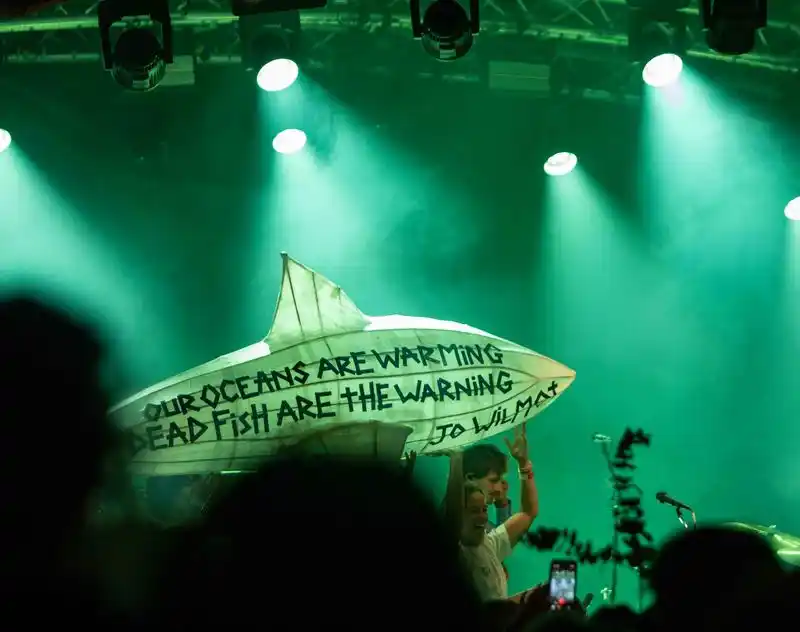
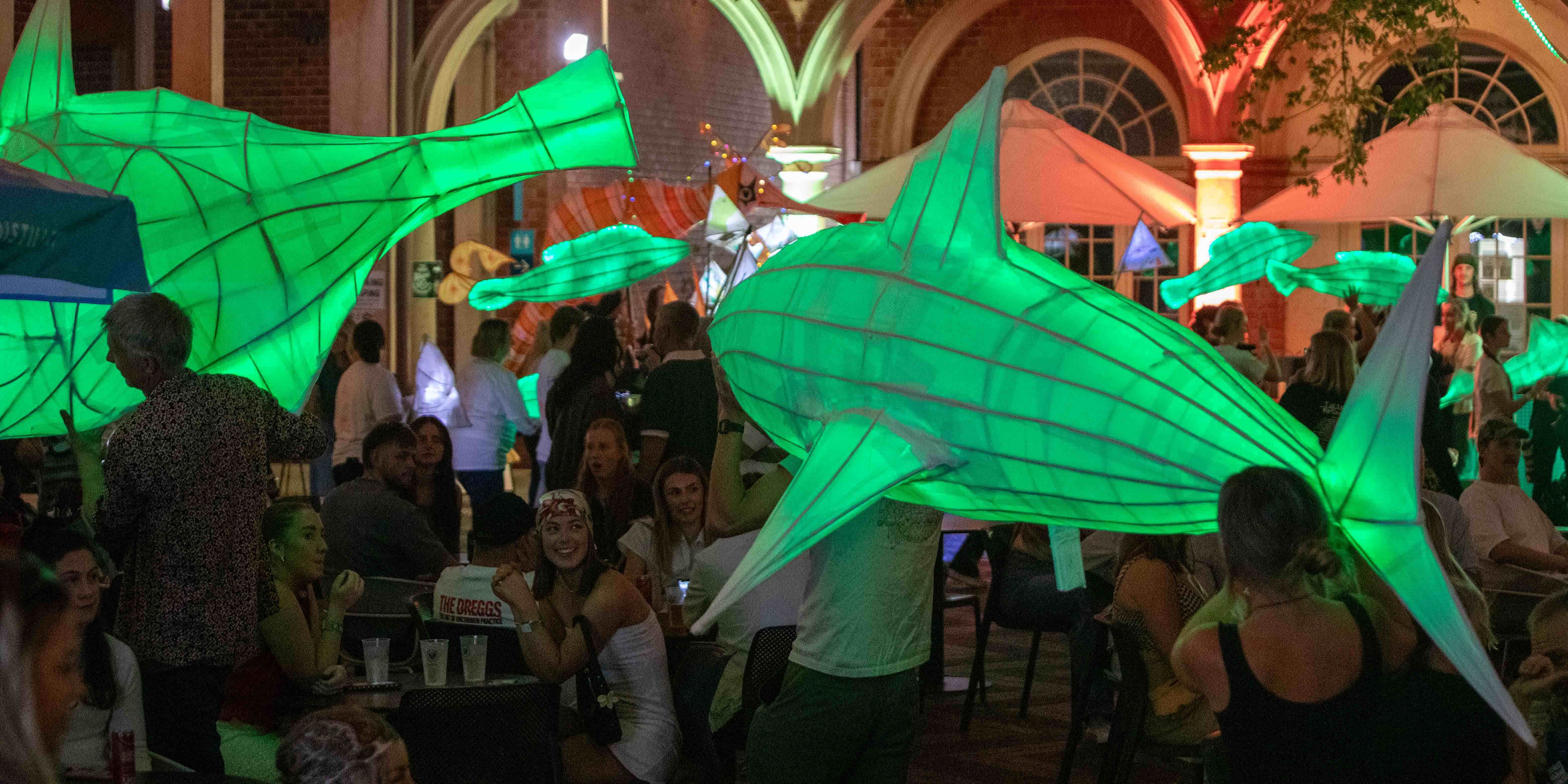
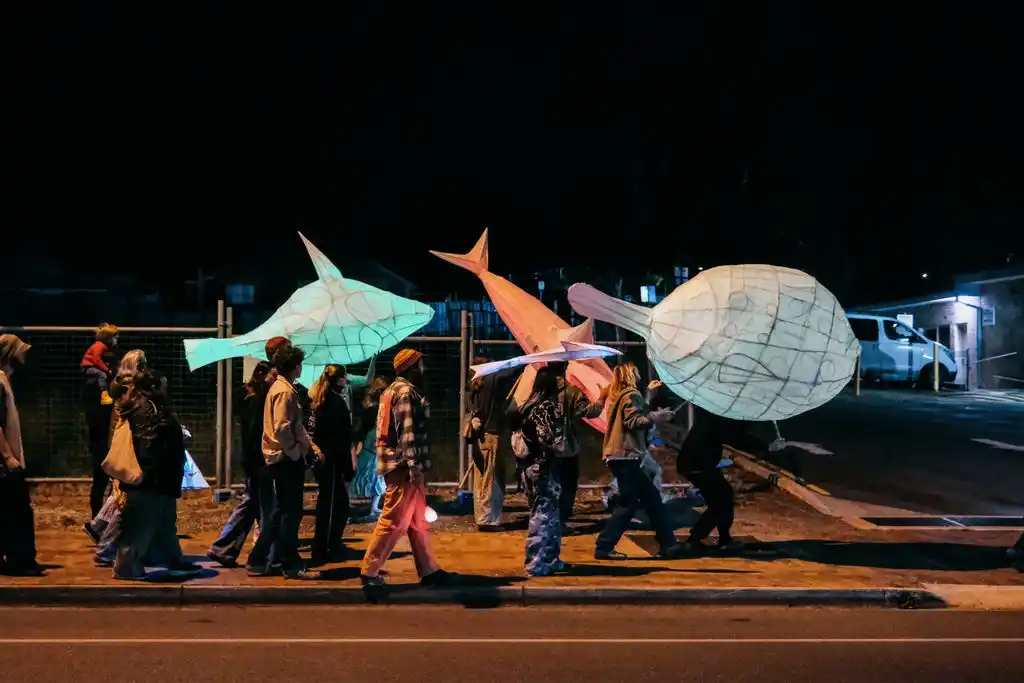
Zoë Brooks is a creative producer and contemporary artist whose practice centres socially engaged and long-form art projects that build participatory structures for complex social, environmental and creative work. Working within her self-described genre of “Folk Performative,” her practice primarily takes on the form of wearable sculpture and performative documentary outcomes developed through collective experience. Zoë is a founding member of Toxic Surf, a collective formed in response to the South Australian harmful algal bloom (HAB). Through exhibitions, public events, artist residencies and community partnerships, Toxic Surf has brought together artists, scientists, First Nations speakers and local communities to respond creatively to the HAB, create opportunities for environmental stewardship and community storytelling.
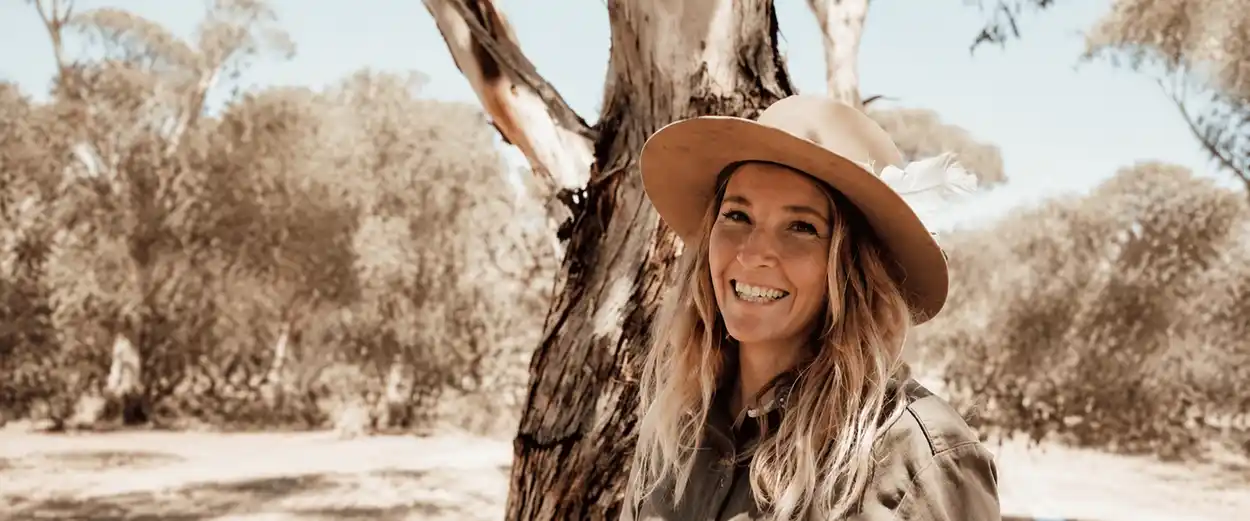
Enya Chitty is a coastal oceanographer, geospatial analyst, and educator at Flinders University. Her work focuses on the interrelationships between physical processes, environmental conditions, and ecosystems in the coastal zone to support evidence-based coastal management in the context of climate change adaptation strategies. Since the emergence of the South Australian harmful algal bloom (HAB), Enya has independently analysed and interpreted oceanographic data to explain the physical drivers shaping the event, helping connect coastal communities with clear, trustworthy, and accessible scientific information during a time of uncertainty.
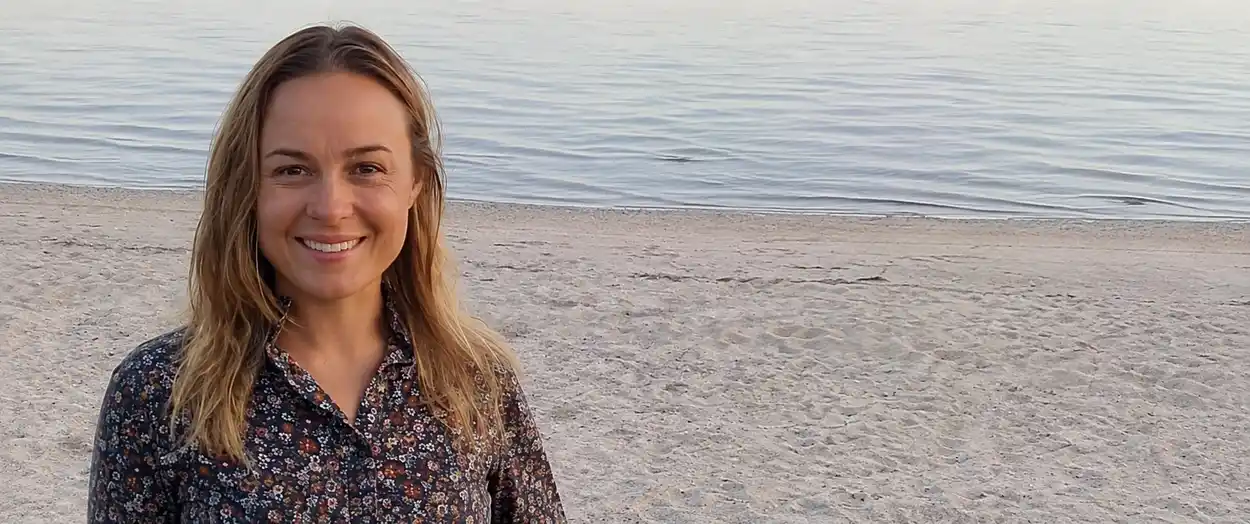
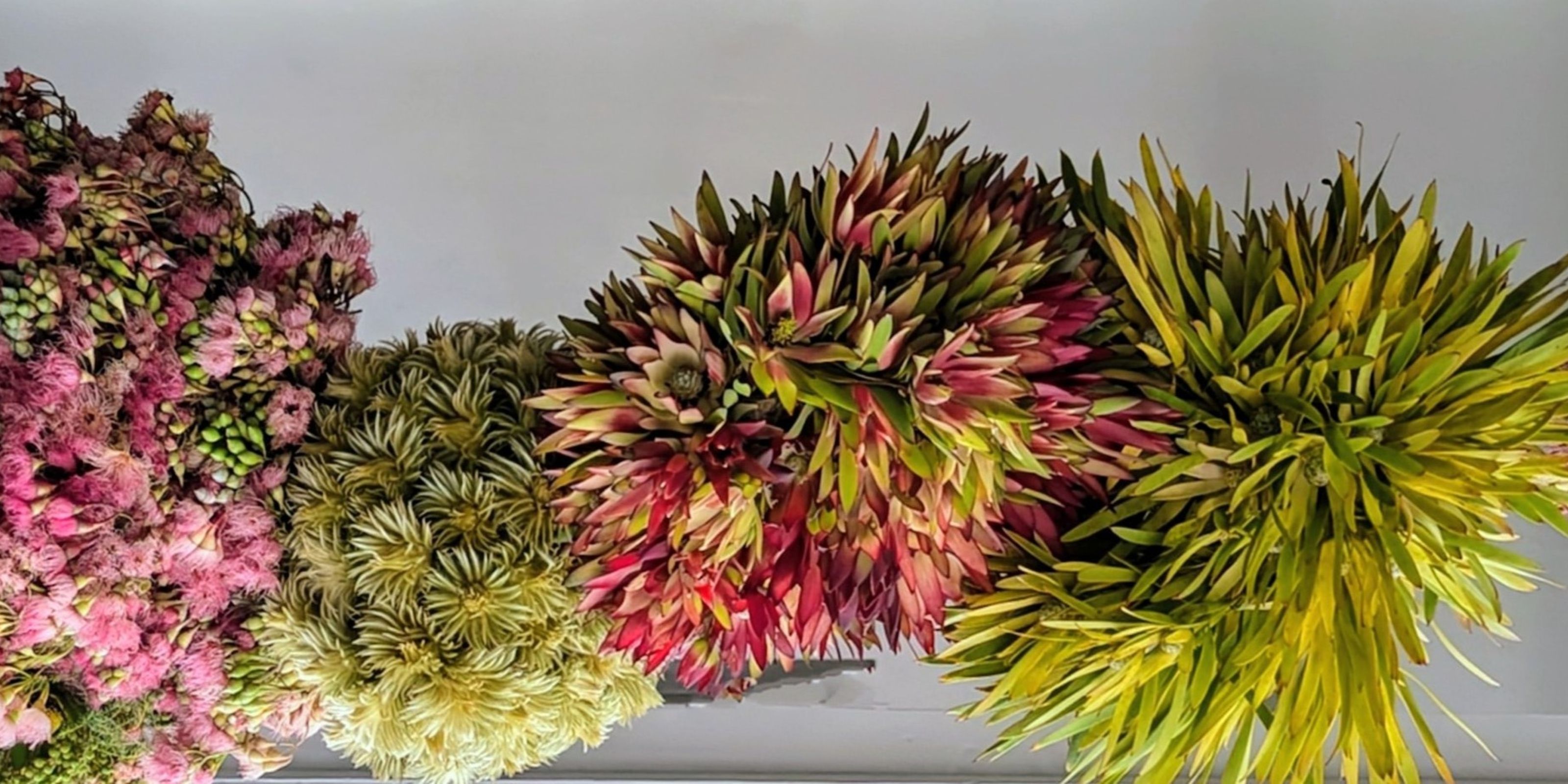
Heidi Kenyon is a conceptual artist working across sculpture, installation, sound and public art, and a PhD candidate at the University of Tasmania. Her practice and research are grounded in posthuman theory and examine artistic collaboration with fungi, plants and other more-than-human entities as a means of inspiring social and environmental change and cultivating an ethic of reciprocity. Heidi has exhibited nationally and internationally since 2005 and is the recipient of numerous awards and scholarships. She is committed to fostering creative pathways towards greater ecological awareness, restoration, and regeneration.
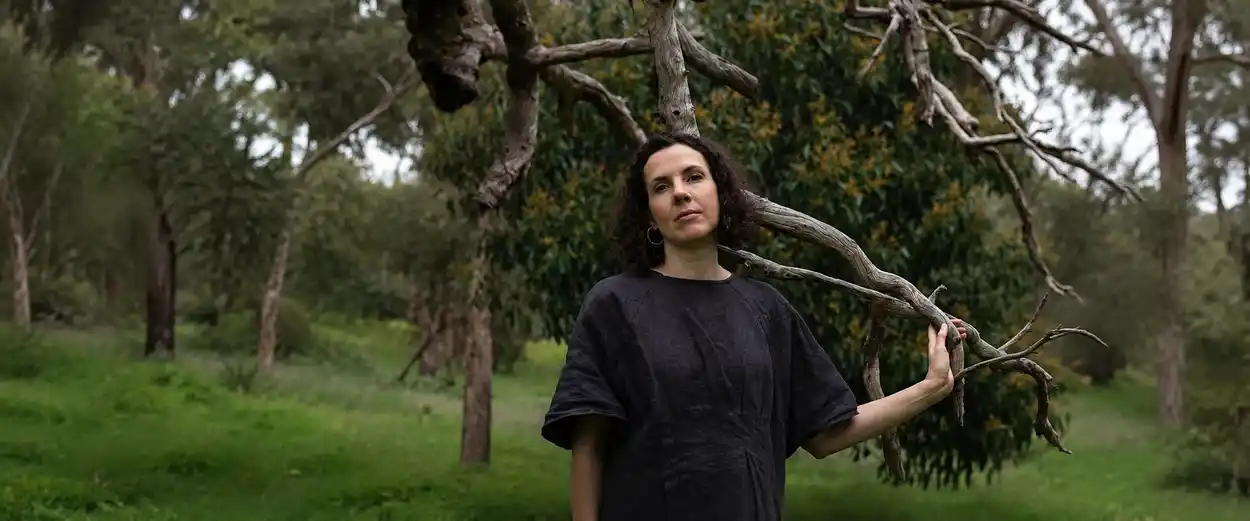
Neil MacDonald is a retired systems engineer with degrees in Electrical Engineering and Engineering Management. His career spanning over 40 years focused on designing complex radio-based communications systems using systems thinking and engineering. His career began as Expedition Cosmic Ray Physicist at Australia's Mawson Antarctic Station, where he developed a lasting interest in the wellbeing of wildlife, climate science and collaborative problem-solving. Neil believes systems thinking provides the framework needed to learn from the South Australian harmful algal bloom and strengthen preparedness and coordinated responses to future events.